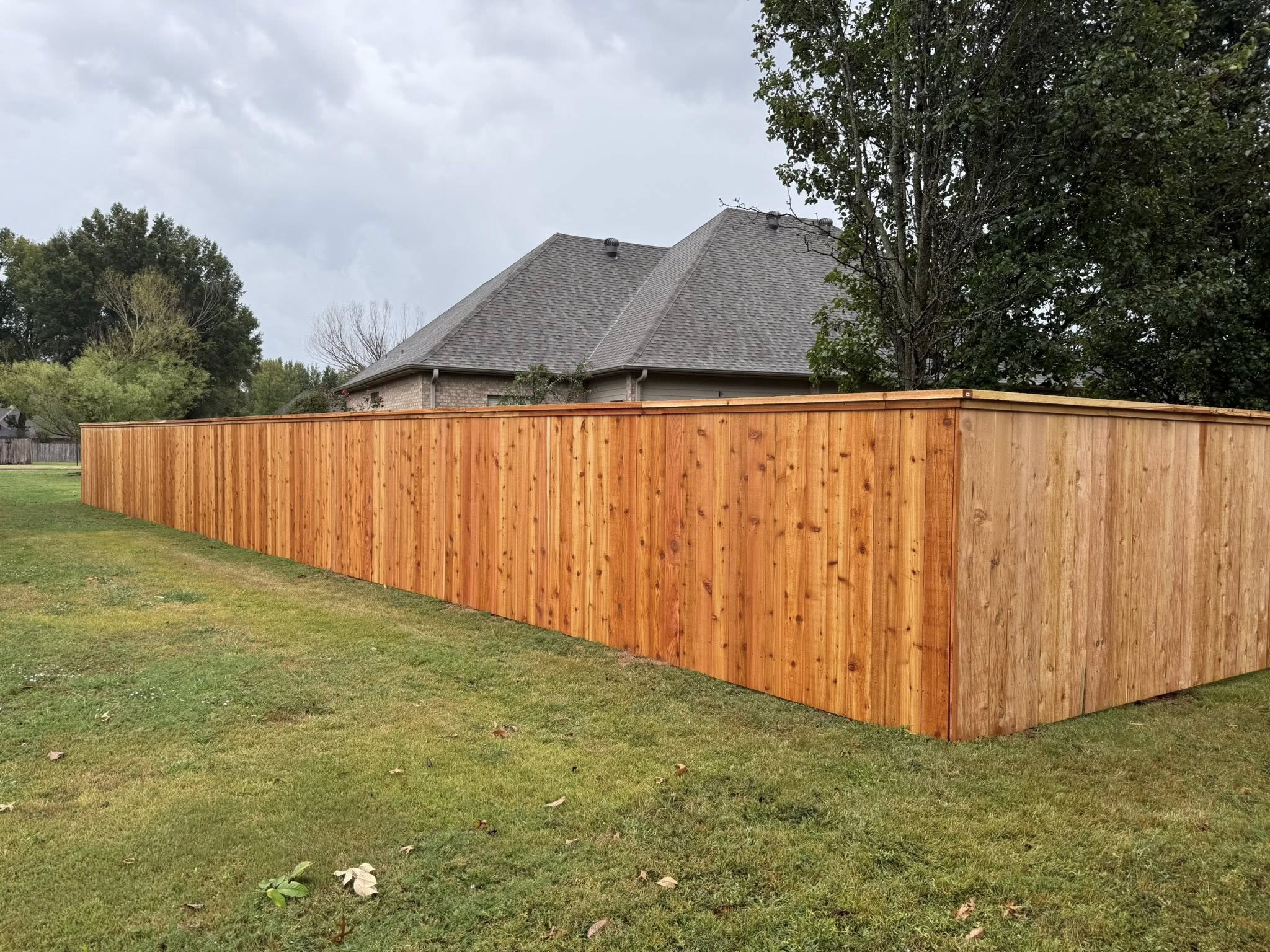
A Beginner's Guide to Understanding Local Fencing Regulations Jan 27, 2026
First and foremost, it's important to verify zoning laws in your area. Zoning regulations dictate how land can be used and can significantly impact where and how you install your fence. Check with your local zoning office to see if there are any specific rules or restrictions you need to follow. Some areas have strict guidelines about fence location, height, and even style, especially in historical districts.
Once zoning has been accounted for, consider obtaining the necessary permits. Many cities and counties require a building permit for fences over a certain height. Getting the right permits will prevent delays and possible fines. Contacting your local building department will provide you with the necessary steps to secure the right documentation before groundbreaking.
Next, understanding homeowners' association (HOA) regulations is vital if you live in a community governed by one. HOAs often have additional rules about aesthetic aspects such as fence material and color. Failing to comply with these guidelines could lead to having to modify or remove your new fence, so it's better to confirm these details beforehand.
Property lines can be a source of contention, so accurately determining boundaries is another critical step. Before any fencing project begins, having a professional survey done can clearly establish your property lines. This helps avoid disputes with neighbors and ensures your fence is legally placed. It’s important to communicate openly with your neighbors throughout the process to maintain good relations.
Materials and height restrictions are other elements dictated by local regulations. For instance, some areas have restrictions on materials like chain-link in front yards or may require certain types of posts for durability against local weather conditions. Height restrictions are common, particularly for front yard fences, to maintain neighborhood visual harmony and safety.
Environmental impact should also be on your radar. Some locations have regulations protecting certain trees or natural habitats. If your fencing project has potential environmental implications, make sure you have the necessary clearance or approvals from the appropriate environmental agencies. B&J Fencing can assist in understanding these rules, ensuring that your project is both legal and environmentally friendly.
Finally, conclude your fence planning process with due diligence. Compile all necessary documents, permits, and approval letters. Keep them handy as you'll need to present them if questions arise during or after the installation. Completing this due diligence not only provides peace of mind but also increases the confidence in your investment.
In conclusion, understanding local fencing regulations is an integral part of planning your fencing project. By following these steps, you can ensure that your new installation complies with all necessary guidelines, preventing future issues and enhancing your property's value. B&J Fencing is here to guide you through each step, ensuring that the fence of your dreams is also the fence that's right for your community. Embrace the process with the right information and partners, and you’ll achieve a successful fencing project that stands the test of time.
/filters:no_upscale()/filters:format(webp)/media/06e89a33-5258-48f6-82d0-2618881e1b86.jpg)