Common Fencing Mistakes to Avoid: Tips for a Successful Installation Feb 21, 2026
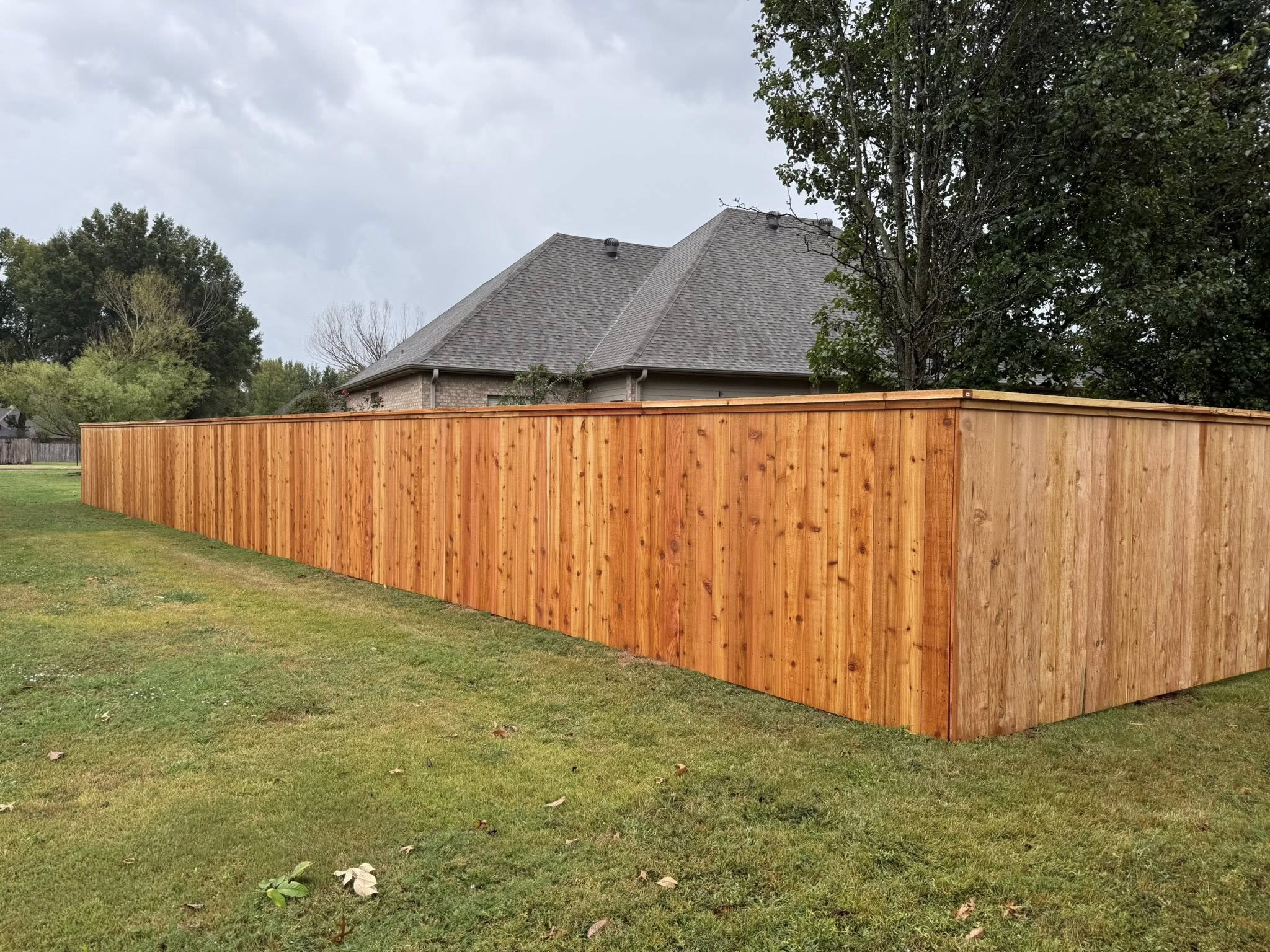
One of the most frequent mistakes homeowners make is failing to plan adequately. Before starting any fencing project, it's crucial to know exactly where you want your fence and why. Do you need privacy, security, or aesthetic enhancement? Each goal may dictate different materials and styles. For instance, a solid wood fence offers excellent privacy, while aluminum fencing might be better for ornamental purposes. Make sure you outline your goals and options with a professional before proceeding, to avoid costly corrections later.
Another critical aspect is failing to check property lines. Installing a fence without accurately determining your property's boundaries can lead to legal disputes with neighbors. Always consult a property surveyor if necessary, and ensure that you are building on your own land. This step is paramount in preventing future conflicts and unnecessary removal of the fence.
Selecting the wrong material is also a common mistake. Different fencing materials have distinct benefits and drawbacks. Wood, while classic and versatile, demands regular maintenance to withstand the elements, whereas vinyl or metal options might provide longer-lasting solutions with less upkeep. Assess the climate and environmental conditions of your area, as they can significantly impact your fence's durability. For example, in wet climates, wooden fences might need additional treatments to resist rot and termites.
Improper post installation can severely compromise your fencing project. Posts are the backbone of any good fence, and if they're not set correctly, the entire structure can lean, warp, or even collapse. It's crucial to ensure that posts are buried deep enough and set in concrete to provide a stable foundation. Generally, at least a third of the post should be underground. This step is vital for withstanding strong winds and other environmental forces.
Neglecting to obtain necessary permits is another significant error. Fencing regulations can vary widely depending on your location. Failing to secure the required permits not only delays your project but can also result in fines. Always check with your local city or county building authority to verify the permit requirements specific to your project.
Lastly, opting not to consult with a professional fencing company like B&J Fencing can often result in an inadequate installation. Professional installers have the experience to navigate complex terrain, unexpected obstacles, and can provide valuable insights on materials and design that you might overlook. Investing in expert advice can actually save money in the long run by ensuring that the job is done right the first time.
A successful fencing installation requires careful planning, appropriate material choice, and a firm understanding of your property and legal boundaries. By avoiding these common mistakes, you can achieve a beautiful and functional fence that enhances your home’s value and adds to your satisfaction. Remember, the team at B&J Fencing is always here to help guide you through a seamless fencing experience. Whether you're a seasoned DIYer or seeking professional services, our expertise can help you avoid pitfalls and make your fencing dream a reality.
/filters:no_upscale()/filters:format(webp)/media/06e89a33-5258-48f6-82d0-2618881e1b86.jpg)