Exploring the Best Materials for Durable and Stylish Fences Jan 05, 2026
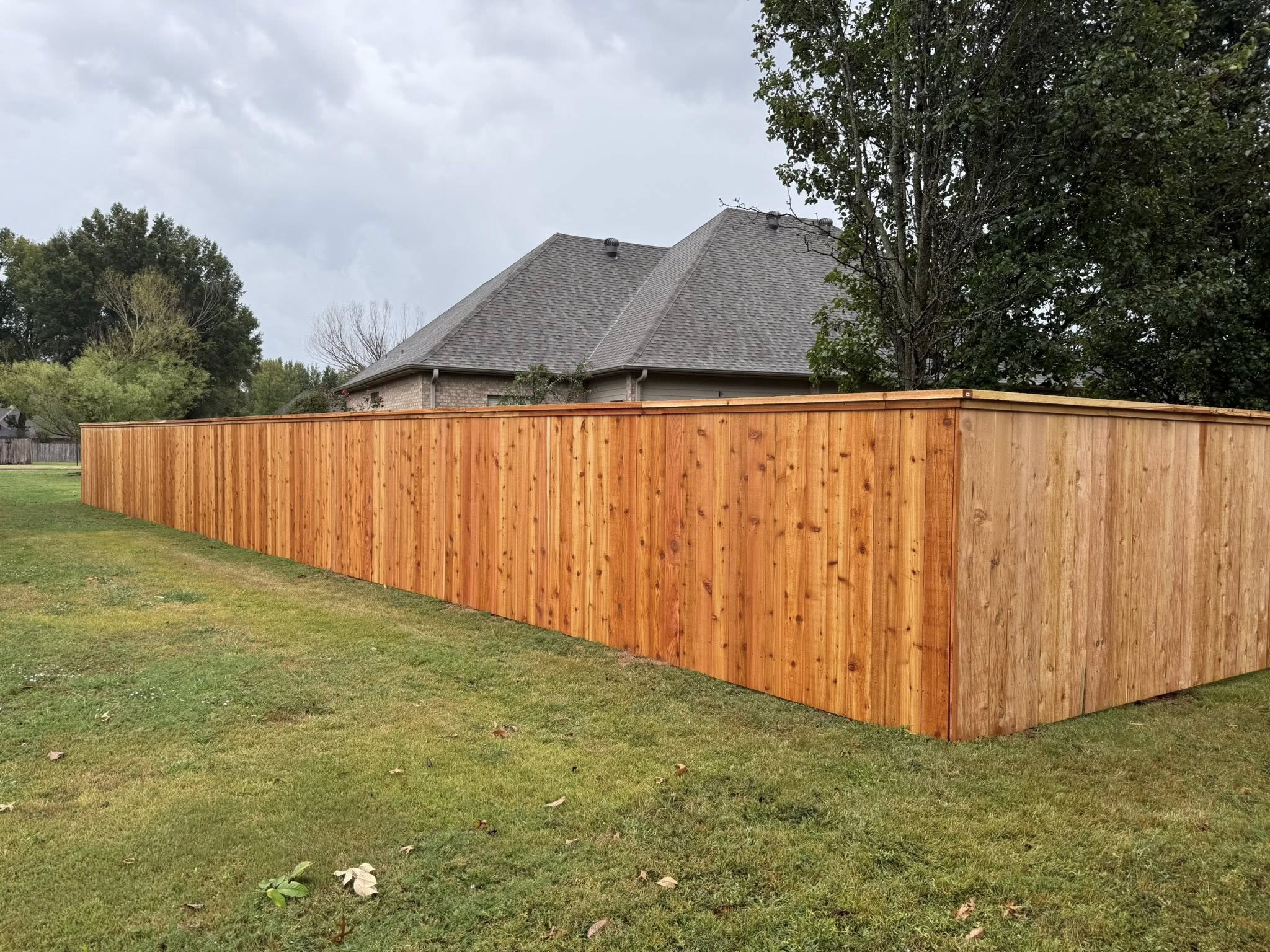
The first and perhaps most traditional choice for fencing is wood. Known for its timeless appearance and versatility, wood fences can be crafted in a variety of styles, from classic picket fences to more modern horizontal slats. Redwood and cedar are particularly popular choices due to their natural resistance to decay and insects. For those keen on maintaining an eco-friendly approach, there are sustainable wood options available that offer the same robustness with less environmental impact.
However, wood does require regular maintenance to sustain its beauty and longevity. This means occasional staining or painting to prevent weathering. For busy homeowners who prefer minimal upkeep, vinyl might be the perfect alternative. Vinyl fencing offers a similar aesthetic to wood but with the added benefit of being virtually maintenance-free. It is resistant to pests, doesn’t warp or splinter, and cleaning it is as simple as hosing it down with water.
For those prioritizing security alongside style, metal fencing could be the ideal choice. Whether it's wrought iron, aluminum, or steel, metal fences provide a sturdy barrier that is difficult to penetrate. Wrought iron fences are renowned for their classic elegance, often featuring intricate designs that can elevate the look of any landscape. Aluminum, on the other hand, is lightweight and resistant to corrosion, making it suitable for coastal areas where saltwater exposure is a concern.
Steel fences deliver exceptional strength and durability. They are highly resistant to impact, which makes them a superior choice for security purposes. However, steel fences may require a protective coating to prevent rust over time.
Composite fencing is an innovative solution that combines the best qualities of both wood and plastic. This material mimics the appearance of wood but doesn’t demand the same level of maintenance. Composite fences are resistant to fading, mold, and rot, ensuring a long-lasting performance that suits any style preference. For homeowners who value sustainability, composite materials are often made from recycled contents, aligning well with eco-friendly initiatives.
At B&J Fencing, we recognize that climate considerations play a significant role in material selection. For example, areas with high humidity or frequent rain may benefit from materials like vinyl or aluminum, which resist moisture damage. Conversely, if you live in a region with intense sunlight, consider materials that won’t fade or warp due to excessive UV exposure.
We recommend thinking carefully about budget constraints, aesthetic preferences, and required maintenance when choosing the right fence material. What's crucial is to find a balance that meets both your practical needs and personal style.
In conclusion, selecting the right fencing material is a key step in enhancing your property’s appeal and functionality. Whether you opt for the classic charm of wood, the low-maintenance benefits of vinyl, the strength of metal, or the innovation of composite, our team at B&J Fencing is here to help guide you through the process. With our expert advice, you can ensure that your new fence remains functional and beautiful for years to come, providing peace of mind and satisfaction.
/filters:no_upscale()/filters:format(webp)/media/06e89a33-5258-48f6-82d0-2618881e1b86.jpg)