Fencing Solutions for Uneven Terrain: Overcoming Landscape Challenges Mar 24, 2026
The first step in overcoming the challenge of uneven terrain is choosing the right type of fence. Certain materials and styles lend themselves better to working with contours than others. For example, wire mesh and chain link fences are particularly flexible options. These materials can easily adapt to the rise and fall of your landscape without compromising strength or appearance. Vinyl and aluminum options can also be utilized effectively as they can be installed in sections, allowing for each section to be customized to the specific terrain.
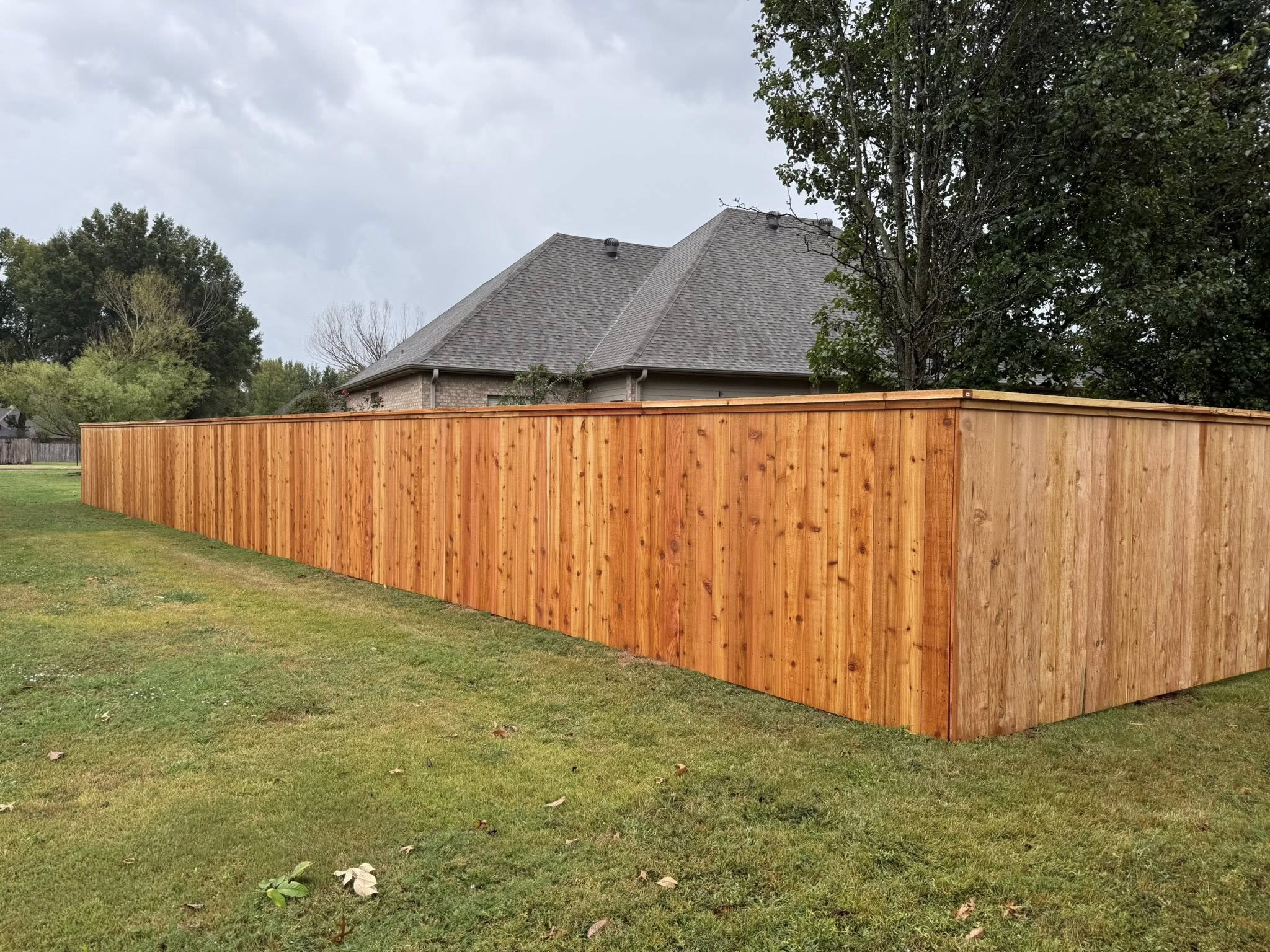
Once the appropriate material is chosen, it’s important to decide on the installation technique. One popular method for sloped ground is racking or leaning the fence. With racking, the fence panels are assembled to follow the slope of the ground. This method maintains a consistent top line while conforming to the contours of the earth, providing a seamless finish. Conversely, stepping the fence involves installing level sections that are offset from each other, creating a step-like pattern. This method is usually used with particular materials, such as wood or vinyl, which can be cut precisely to follow the terrain.
In addition to installation techniques, planning the layout is crucial. Having a clear blueprint and understanding the topographic details of your property can significantly ease the process. GPS technology or professional surveying can be invaluable investment, offering precision that traditional methods might lack. B&J Fencing utilizes advanced planning tools to map out the area, ensuring the proposed fence complements your property’s unique features.
While it’s critical to choose the right materials and techniques, considering drainage is equally essential. Proper water management can prevent long-term damage, such as erosion or foundational instability, which are common concerns with uneven land. Installing French drains or designing the fence line to divert water away from the structure can protect your investment. Consulting with fencing professionals can provide you with a customized drainage solution, ensuring your fence remains sturdy and intact over time.
Finally, it’s vital to comply with local zoning laws and property regulations. Some areas may have specific guidelines regarding fence height and distance from property lines, particularly on uneven terrain. Working with a knowledgeable company like B&J Fencing ensures that these requirements are met, paving the way for a smooth approval process as well as preventing future legal issues.
In conclusion, while uneven terrain poses its own set of challenges, strategic planning and professional installation can overcome these hurdles. Trusting an experienced fencing service like B&J Fencing to assess your unique landscape and provide tailored solutions ensures a robust, attractive fence that stands the test of time. Embracing these practical solutions not only secures your property but also enhances its visual appeal, combining functionality with aesthetic value.
/filters:no_upscale()/filters:format(webp)/media/06e89a33-5258-48f6-82d0-2618881e1b86.jpg)