How to Choose the Right Materials for Your Custom Fence Jan 26, 2026
Fencing serves multiple purposes. It provides security, privacy, and can enhance your home's visual appeal. Therefore, your choice of materials should reflect these needs. Start by identifying the primary function of your fence. Are you prioritizing privacy, aiming to boost curb appeal, or enhancing security? This will set the foundation for your selection process.
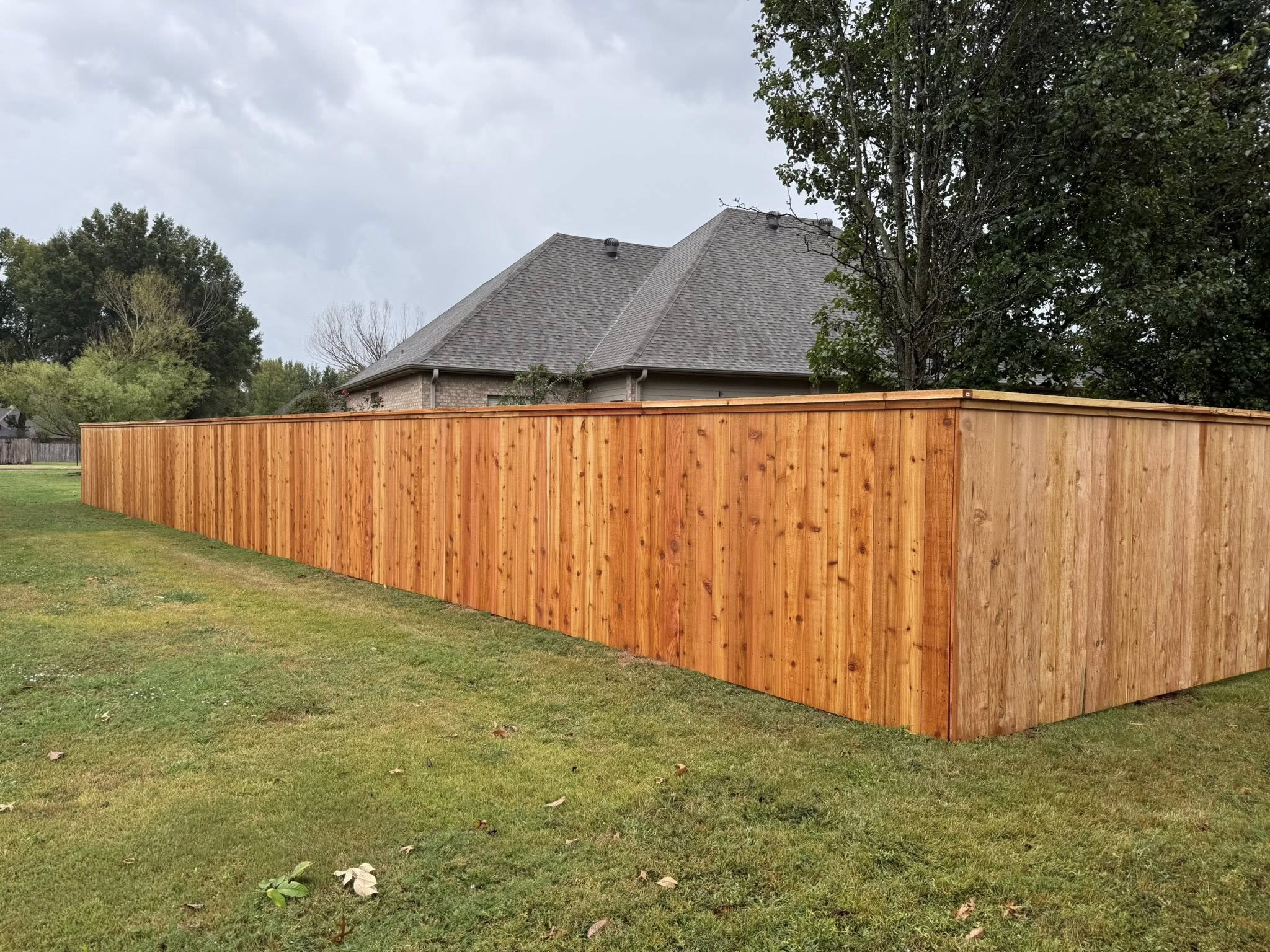
Wood remains a popular choice for many homeowners. Its natural look complements a variety of landscapes and architectural styles. However, while wood is aesthetically pleasing and offers a high level of privacy, it requires regular maintenance to prevent damage from weather and pests. Options like cedar and redwood are naturally resistant to decay and insects, making them excellent choices for longevity.
Vinyl is another material that has gained popularity due to its durability and low maintenance requirements. Vinyl fences are available in a variety of styles and colors, providing a clean, modern look that can withstand harsh weather conditions without fading or warping. While the initial cost can be higher than wood, the long-term maintenance savings make vinyl a cost-effective option.
If you desire a sturdy fence that also adds a sophisticated look, consider metal fencing materials like wrought iron or aluminum. While wrought iron offers timeless elegance and unmatched strength, it may require regular upkeep to prevent rust. Aluminum fences, on the other hand, require less maintenance and are resistant to corrosion, making them a practical choice for those who prefer a metal option without the hassle of rust prevention.
For budget-conscious customers, chain-link fencing is a practical and versatile choice. It’s easy to install, requires little maintenance, and offers durability. Although it may not offer the visual appeal or privacy of other materials, adding privacy slats or planting hedges alongside can enhance both aesthetics and privacy.
Composite fencing is increasingly favored for its eco-friendliness and appealing design. Made from recycled wood fibers and plastic, this material is both durable and requires minimal maintenance. Composite fences provide the look of wood without the constant upkeep and are available in a wide range of textures and shades to fit your style.
When selecting your fencing material, don't overlook local climate conditions. Extreme temperatures, humidity, and coastal locations can all impact the longevity of your fence materials. For instance, salty air can accelerate rust in metal fences, while excessive moisture can harm wood structures.
Budget is, of course, a key factor. While exploring material costs, consider the long-term expenses associated with each option. Maintenance, repairs, and potential replacement costs can greatly influence the total investment over time.
In conclusion, choosing the right materials for your custom fence involves weighing factors such as aesthetics, function, maintenance, climate suitability, and budget. At B&J Fencing, we are dedicated to helping you find the perfect match for your needs, ensuring your new fence not only enhances your property’s value but also meets your family’s safety and privacy requirements. Contact us today to discuss your fencing needs, and let us guide you toward the best material for your project.
/filters:no_upscale()/filters:format(webp)/media/06e89a33-5258-48f6-82d0-2618881e1b86.jpg)