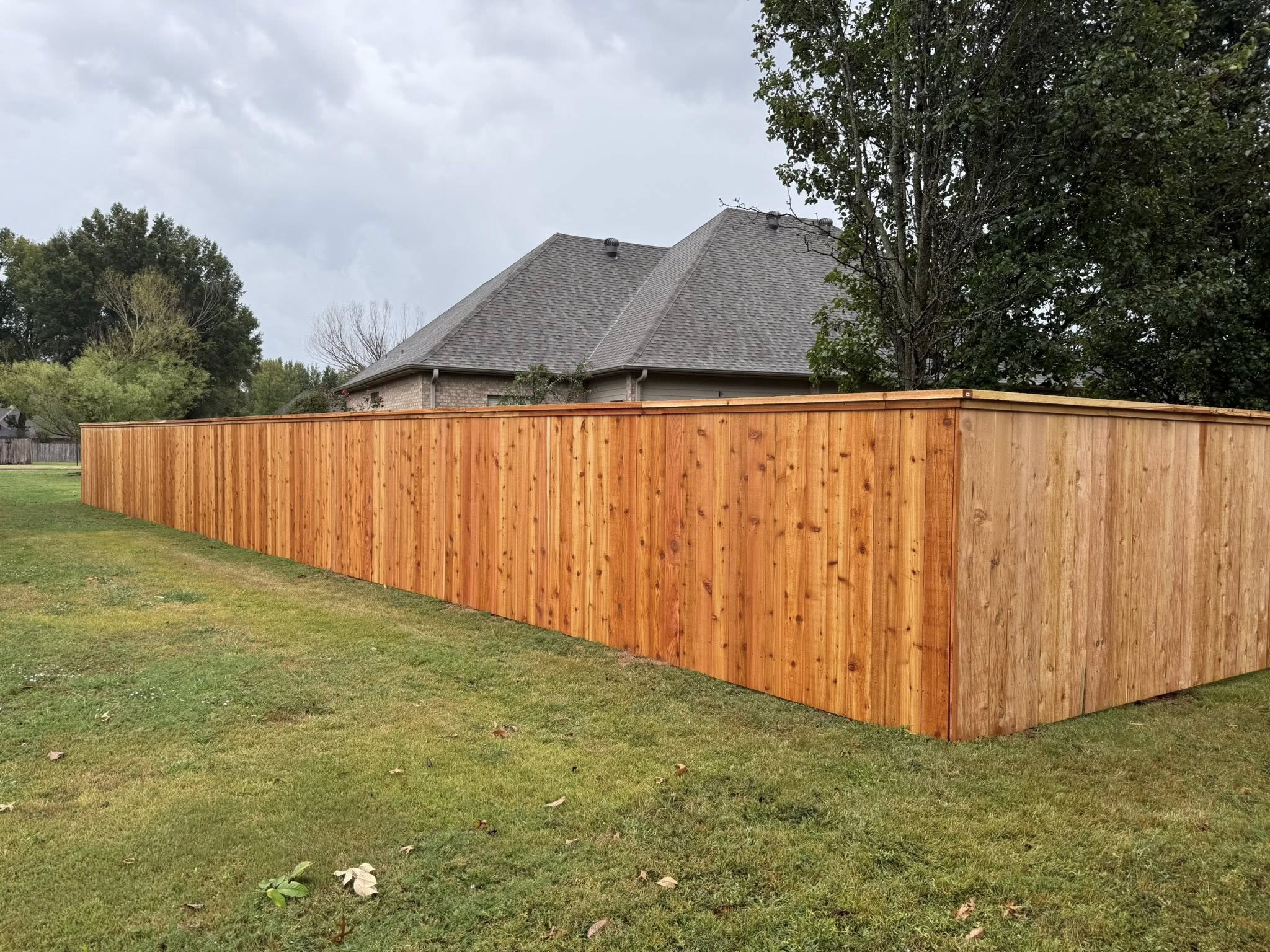
Navigating HOA Guidelines: Choosing the Right Fence for Your Community May 22, 2026
Understanding HOA Guidelines
Before beginning any fencing project, it is essential to understand your HOA’s guidelines. These rules are in place to maintain the uniformity and value of the properties within the community. Checking your HOA’s covenants, conditions, and restrictions (CC&Rs) will provide you with the necessary information about permissible fence styles, colors, materials, and heights. This step not only ensures compliance but also prevents potential fines or the costly need to redo work.
Choosing the Right Material
Once you've reviewed the guidelines, the next step is selecting the right material for your fence. Common materials include wood, vinyl, aluminum, and wrought iron. Each material has distinct benefits and drawbacks that can affect durability, maintenance, and cost. For example, wood fences offer a traditional look but require regular maintenance to prevent rotting and warping. Conversely, vinyl fences are low-maintenance and weather-resistant, making them a popular choice for many homeowners within HOA communities. Evaluate each option’s long-term benefits to decide what suits your needs and complies with your HOA’s rules.
Considering Aesthetics and Function
Your fence should serve both practical functions and aesthetic purposes. A privacy fence may be suitable if you desire seclusion from neighbors or main roads. On the other hand, a decorative picket fence could enhance the quaint charm of your front yard without obstructing visual flow. It's essential to strike a balance that compliments the neighborhood vibe while meeting personal desires. Additionally, consider landscaping around your fence to harmonize with your home’s exterior and the surrounding community.
Consulting with Professional Fencing Services
Partnering with a professional fencing company like B&J Fencing can be invaluable in navigating HOA guidelines. Experienced companies can offer insights into local trends, best practices, and compliance tips. Furthermore, professional installers ensure your fence is both safe and structurally sound, adding to your home’s value while staying within HOA regulations. Their expertise can save time and stress, ensuring the job is done right the first time.
Submitting a Proposal
After selecting your fence style and consulting with professionals, the next step is submitting a proposal to your HOA. Typically, this involves presenting plans, including dimensions, materials, and potential designs. Being upfront and clear about your plans can expedite the approval process. Always allow a buffer period for review and possible revisions to keep your project timeline on track.
Concluding Thoughts
Choosing the right fence for your community within HOA guidelines does not have to be an overwhelming process. By understanding your HOA’s regulations, selecting suitable materials, considering both aesthetics and practicality, consulting with experts, and submitting a thoughtful proposal, you can ensure a seamless experience. At B&J Fencing, we are committed to guiding you through this journey, offering solutions that enhance your property while respecting the community’s rules. Contact us today to start planning your ideal fence—one that brings beauty, functionality, and compliance together seamlessly.
/filters:no_upscale()/filters:format(webp)/media/06e89a33-5258-48f6-82d0-2618881e1b86.jpg)