Smart Solutions for Rural Properties: Fencing Options to Protect Livestock Jun 29, 2026
First, electric fencing emerges as a versatile choice. Suitable for various types of livestock, electric fencing provides a psychological barrier that trains animals to avoid contact. This type of fencing is particularly useful for containing large areas inexpensively. It’s also adaptable, allowing you to create rotational grazing systems that optimize pasture use. Electric fences are relatively easy to install and maintain, thereby reducing costs over time. Regular checks and proper installation are essential to ensure these fences operate effectively.
For a more permanent solution, consider high-tensile wire fencing. Its durability and ability to withstand pressure make it ideal for containing larger livestock like cattle. High-tensile fences are designed to be stretched tightly, maintaining a strong barrier even in harsh weather conditions. These fences boast a longer lifespan, which means reduced maintenance and replacement costs in the long run. When properly installed, they can enhance both security and aesthetic appeal of the property.
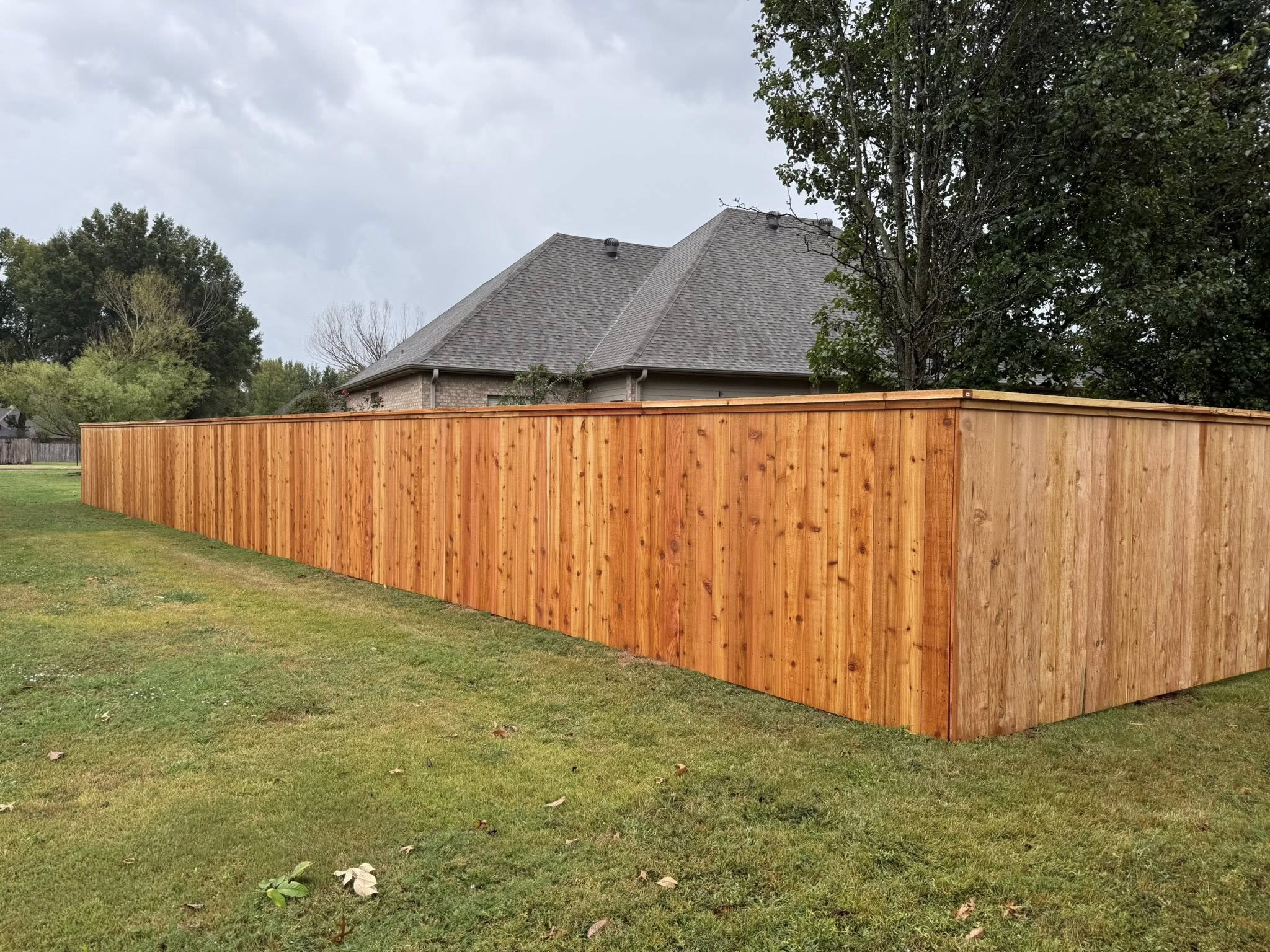
Wood fencing remains a popular option for those who prioritize aesthetics alongside functionality. While often used in equine settings due to its visibility and safety, wood fencing can be adapted for various livestock needs. They provide strong boundaries and add a traditional look to rural properties. However, regular maintenance, including protecting wood from decay, is necessary to prolong its life.
For properties with diverse livestock needs, welded wire fencing may be the solution. Its versatile design, featuring closely spaced wires, is perfect for preventing smaller animals from escaping and keeping predators out. This type of fencing is commonly used for backyard farms or properties that house poultry alongside other animals. It provides a stable and sturdy barrier that maintains its integrity over years.
When evaluating fencing options, the terrain also plays a crucial role. Irregular landscapes can present challenges in installation and maintenance. Many property owners in such settings choose post and rail fencing which easily adapts to uneven terrains. This type of fencing offers both flexibility and visibility, ensuring that livestock are securely contained without obstructing panoramic views.
It's also vital to consider local wildlife when planning your fence. Deer, for example, can easily hop over low fences, necessitating the need for taller, sturdy constructions in certain regions. Our team at B&J Fencing can provide expert advice tailored to your specific property and livestock needs, ensuring a robust fencing system that keeps unwanted guests at bay.
In conclusion, selecting the right fencing for your rural property requires a careful assessment of your specific needs, including livestock type, property size, and terrain. At B&J Fencing, we are committed to helping our customers find and implement smart, durable, and effective fencing solutions. Contact us today to learn more about how we can assist you in protecting your livestock and enhancing your property’s management. Let our expertise guide you in making the optimal choice for your property today.
/filters:no_upscale()/filters:format(webp)/media/06e89a33-5258-48f6-82d0-2618881e1b86.jpg)