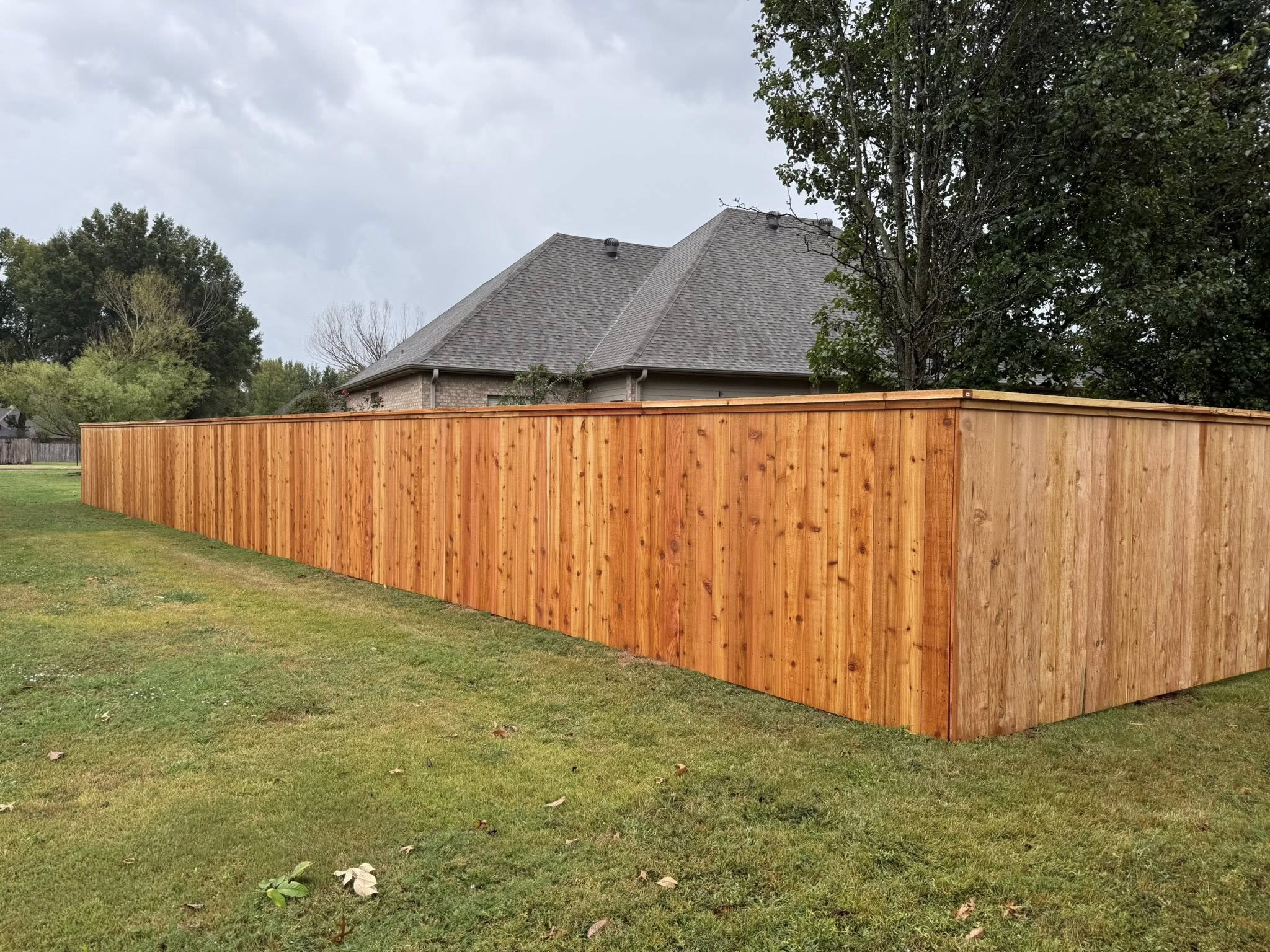
The Environmental Benefits of Choosing Sustainable Fencing Materials Jan 24, 2026
Sustainable fencing materials are those that are environmentally friendly, from production to disposal. Among the top sustainable options, you'll find bamboo, recycled steel, and reclaimed wood. These materials offer various advantages over traditional fencing materials like vinyl or pure hardwood.
Bamboo is an exceptional choice, as it is one of the fastest-growing plants on Earth. Its rapid growth rate makes it a highly renewable resource. When processed for fencing, bamboo retains strength and resilience, capable of withstanding various weather conditions. Furthermore, bamboo cultivation naturally improves soil health and reduces erosion, creating a positive environmental impact.
Recycled steel is another excellent option for sustainable fencing. Steel itself is mindfully durable, and using recycled steel in your fence means you're reducing the demand for new raw materials. This minimizes the carbon emissions and energy consumption associated with the production of new steel. Additionally, recycled steel fencing can be recycled again at the end of its life cycle, making it a truly circular material choice.
Reclaimed wood is also gaining popularity in fencing for its character and sustainability. Instead of chopping down more trees, reclaimed wood uses pieces already in existence, often sourced from barns, factories, or older homes. By opting for reclaimed wood, you preserve forests and reduce waste. Each piece of reclaimed wood carries a unique story and aesthetic, offering a rustic charm that aligns with modern, sustainable living philosophies.
The environmental benefits of choosing sustainable fencing do not end with the materials themselves. Consider the installation process. Sustainable fencing options are often easier to install and require fewer resources, such as concrete and composite fasteners that can leach harmful substances into the soil. Moreover, they usually have a long lifespan, which means you won't need to replace your fence frequently, thereby reducing waste over time.
Maintaining sustainable fences is also simpler and less harmful to the environment. For instance, bamboo and recycled steel require minimal maintenance and do not need toxic treated chemicals for preservation, which are often necessary for traditional wood. Reclaimed wood, while requiring protection from the elements, can often be treated with natural oils and preservatives, minimizing the impact on the environment.
By choosing sustainable fencing materials from B&J Fencing, homeowners not only showcase their commitment to eco-friendly practices but also contribute to broader environmental conservation efforts. Such choices support biodiversity, reduce the carbon footprint, and promote the responsible use of resources. In this way, your fencing can become a testament to your advocacy for sustainable living.
In conclusion, as awareness around environmental issues grows, so does the interest in sustainable alternatives for everyday needs. If you're considering installing a new fence or replacing an old one, look no further than the sustainable options offered by B&J Fencing. By selecting eco-friendly materials, you not only secure and enhance your home but also invest in the planet's well-being, fostering a more sustainable future for all.
/filters:no_upscale()/filters:format(webp)/media/06e89a33-5258-48f6-82d0-2618881e1b86.jpg)