The Evolution of Fencing Styles: A Look at Trends Through the Decades Feb 15, 2026
The early 20th century saw the proliferation of the classic picket fence, often associated with the American dream and suburban life. Its simple design and affordability made it a favorite among homeowners. The white picket fence symbolized not only boundary but also a sense of community and aesthetic charm. This era also ushered in the use of wrought iron fences, notable for their durability and ornate designs. While more expensive, wrought iron offered a level of prestige and protection, often surrounding stately homes and public parks.
As we moved into the mid-century, chain-link fences became increasingly popular due to their cost-effectiveness and ease of installation. Particularly in urban areas, chain-link fences were often used in commercial properties and public spaces. Despite their utilitarian appearance, these fences provided necessary security and delineation of property lines. At the same time, vinyl fencing emerged, offering a low-maintenance alternative to wood. Its durability and variety in styles allowed homeowners to pair functionality with a pleasing appearance.
The last few decades have witnessed a significant transformation in fencing materials and styles. The rise in environmental awareness has influenced the development of eco-friendly fencing options. Bamboo fences, for example, gained traction as a sustainable option, merging natural beauty with ecological responsibility. Additionally, the advent of composite materials has introduced fences that mimic the aesthetic appeal of wood without the associated maintenance challenges.
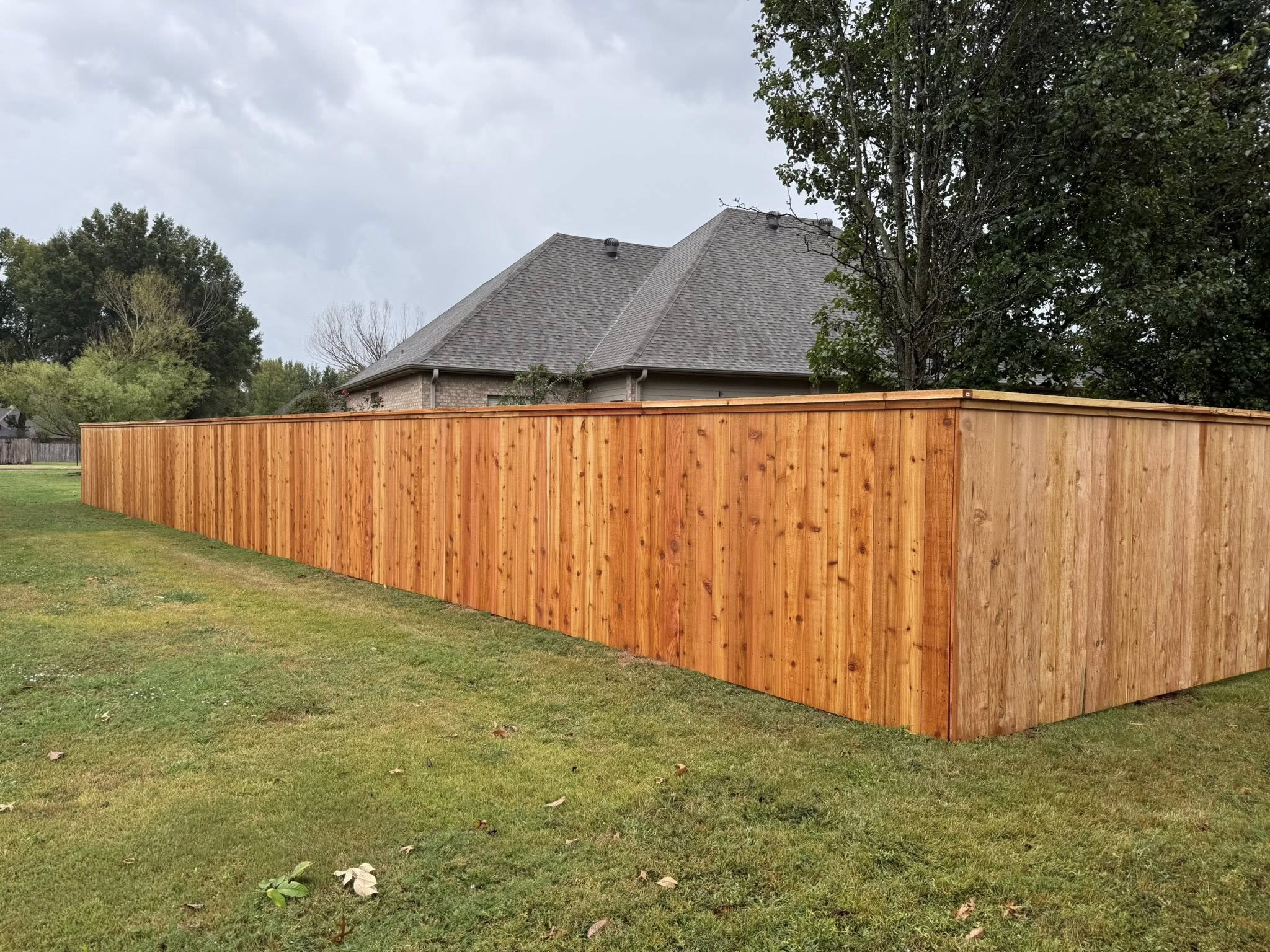
Technological advancements in manufacturing processes have also diversified fencing options. Modern homeowners have access to a range of designs that cater to both aesthetic preference and functional requirements. Privacy fences have become more sophisticated, utilizing innovative designs that offer both seclusion and style. Moreover, the integration of smart technology into fencing systems has opened new possibilities for security, with features such as remote monitoring and automated gates becoming more common.
The trend towards personalized outdoor spaces has brought about a renaissance in fencing designs. New styles reflect a combination of traditional elements and modern aesthetics, catering to varying tastes and preferences. Trellis and lattice fences, for instance, marry classic charm with modern trends, allowing homeowners to incorporate vertical gardening while enhancing privacy.
In conclusion, the evolution of fencing styles is a testament to the diverse needs and creative innovation of homeowners and designers alike. As we look ahead, the future of fencing will likely continue to blend sustainability, technology, and personalization. Whether you are considering a new installation or looking to update an existing fence, understanding these trends can help in making informed decisions that enhance both the value and appeal of your property. At B&J Fencing, we embrace these evolving trends to provide solutions that meet the demands of modern living, ensuring that your fencing choice stands the test of time.
/filters:no_upscale()/filters:format(webp)/media/06e89a33-5258-48f6-82d0-2618881e1b86.jpg)