The Impact of Local Climate on Fence Material Selection Mar 18, 2026
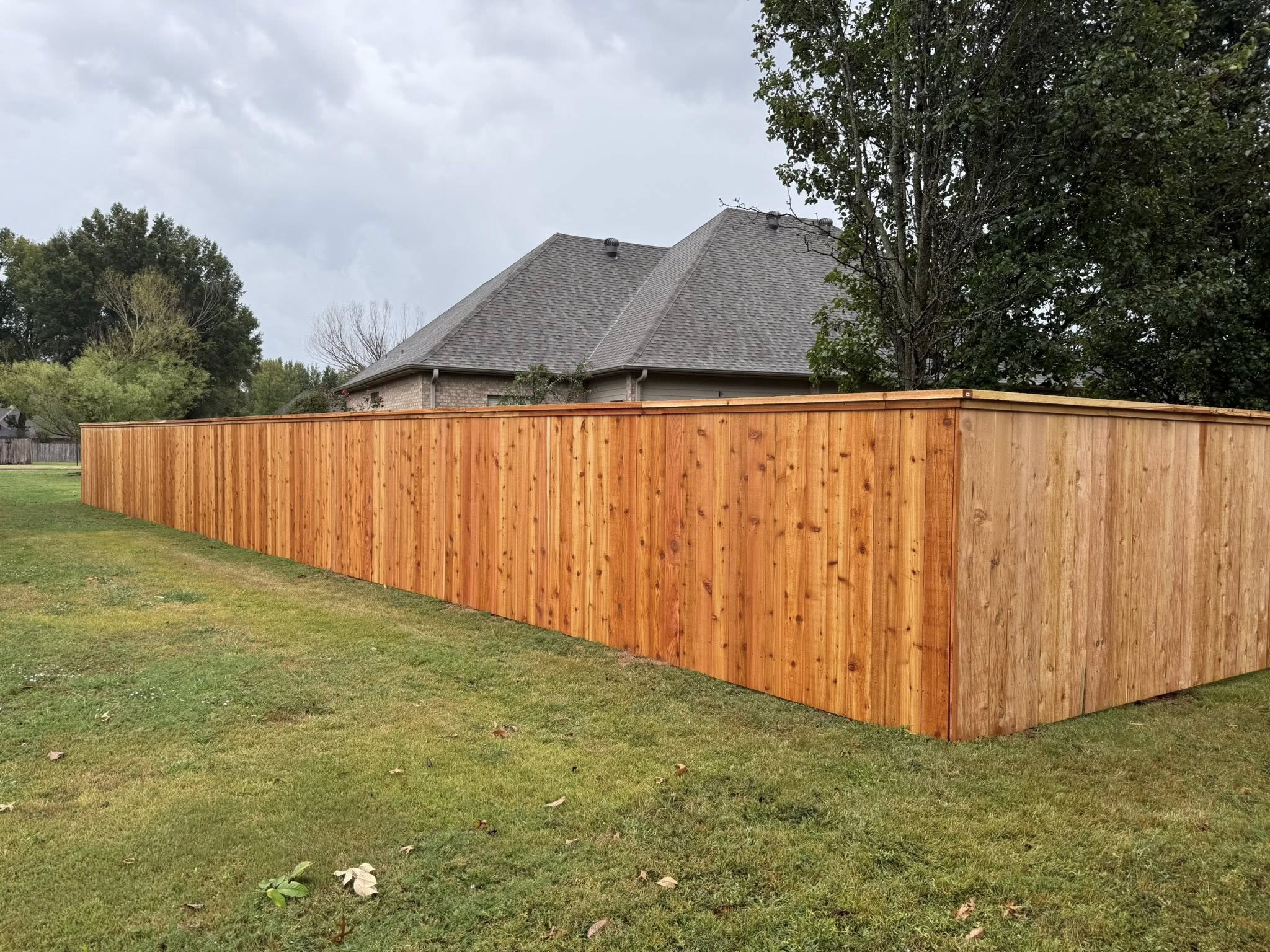
Firstly, it's important to understand how various climate conditions affect different fencing materials. Wood, for instance, is a traditional choice that offers a classic appearance and strong privacy. However, it requires regular maintenance, particularly in areas with high humidity or frequent rainfall, like the Pacific Northwest. Moist environments can lead to rot, warping, and insect infestations if a wooden fence isn't properly treated with sealants or stains. Conversely, in dry, sunny climates, wood can crack and fade over time without preventative care.
For those living in regions with high winds or frequent storms, flexibility and resilience should be a consideration. Vinyl fencing is an excellent option for such areas, known for its flexibility and strength. Unlike wood, vinyl won't rot or warp from damp conditions, and it doesn’t require painting or staining, making it a convenient choice for homeowners looking to minimize maintenance. However, it's worth noting that in extreme cold, vinyl can become brittle and more susceptible to cracking.
If your local climate is prone to severe temperature fluctuations, metal fencing, such as aluminum or steel, might be worth considering. Metal fences fare well in both hot and cold temperatures, as they do not expand or contract significantly with weather changes. Aluminum fences are especially durable despite their lightweight properties, offering a strong barrier that withstands high winds and requires little upkeep. Steel, on the other hand, provides an additional layer of strength but requires a protective coating to prevent rust, particularly in humid or coastal environments.
For homeowners seeking an eco-friendly option that withstands various climates, composite fencing is a viable solution. Made from a mix of recycled wood and plastic, composite fences offer the visual appeal of wood with enhanced durability and lower maintenance needs. Resistant to rot and insect damage, composite materials are well-suited to humid climates, although they can be costlier upfront compared to traditional wood or vinyl options.
In regional climates characterized by heavy snowfall, it's crucial to consider the fence's height and structural integrity. Taller fences may catch more wind and snow drift, so spacing the posts adequately and selecting materials that support heavy loads can prevent damage. Steel and composite are generally recommended for their ability to withstand weight without bending or breaking.
In conclusion, when choosing fencing materials with B&J Fencing, it’s essential to consider the specific challenges posed by your local climate. Each material presents unique benefits and potential drawbacks influenced by weather conditions. By selecting the right material suited to your environment, you can enhance your property with a beautiful and enduring fence. Consulting with local experts can ensure that your fence meets both aesthetic preferences and practical needs while offering the best return on your investment over time. Prioritize your climate's demands to enjoy a long-lasting, attractive addition to your home with minimal maintenance effort.
/filters:no_upscale()/filters:format(webp)/media/06e89a33-5258-48f6-82d0-2618881e1b86.jpg)