The Ultimate Guide to Choosing the Right Fencing Materials Jan 05, 2026
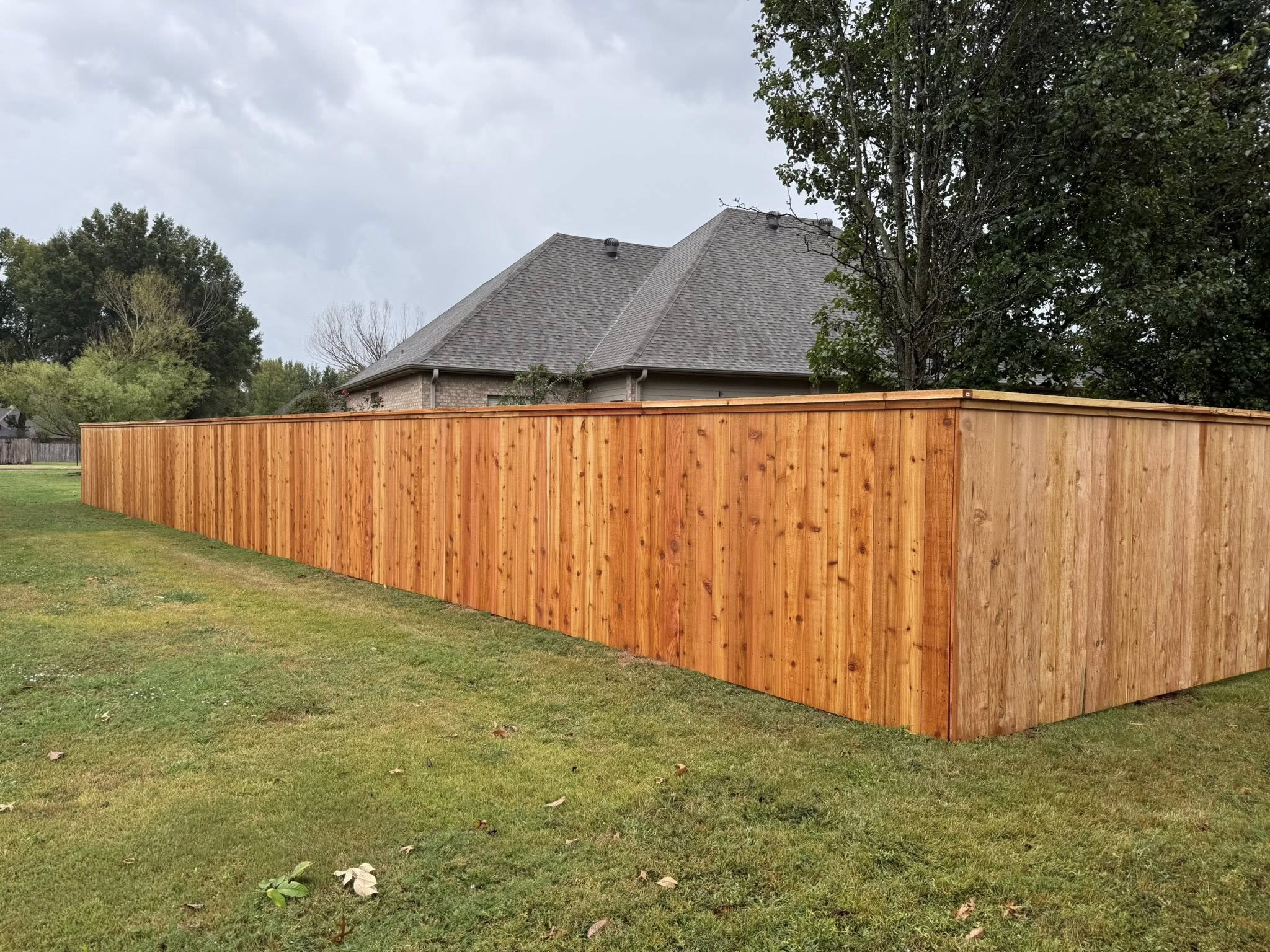
The primary function of your fence will significantly influence your choice of materials. Are you aiming for privacy, security, or simply enhancing your garden's beauty? For instance, wooden fences like cedar or pine offer a natural look that complements any landscape, while also providing privacy. If security is a priority, metal options such as wrought iron or aluminum might be more suitable, offering durability and strength.
Consider your local climate and environment when selecting fencing materials. Wood is classic and elegant, but in humid or rainy areas, it may require regular maintenance to prevent rot and pests. Vinyl fencing, on the other hand, is weather-resistant and needs minimal upkeep, making it a popular choice in various climates. Metal fences, while strong, can corrode in coastal areas, so materials like aluminum are often recommended for their rust-resistant properties.
The cost of materials and installation can vary significantly, so budgeting is crucial. Wood fences can range in price depending on the type of wood used, with cedar usually costing more but offering better longevity and resistance to insects. Vinyl typically has a higher upfront cost but compensates with low maintenance costs over time. Chain-link fences are often the most economical option for large areas requiring security.
Maintenance is another key factor. While wooden fences may need regular staining or painting to maintain their appearance, vinyl and aluminum fencing generally require only occasional cleaning. Consider how much time and effort you are willing to dedicate to maintaining your fence, as this will affect your choice of materials.
Community restrictions or homeowners’ association rules might also influence your choice. It is essential to check any specific guidelines on fence types or heights before making a purchase. Some communities might restrict the use of certain materials or demand uniformity to maintain a cohesive look throughout the neighborhood.
Finally, think about the lifespan and warranties offered by different materials. Investing in a fence is a significant decision, and each material comes with different longevity. For example, a well-maintained wood fence can last for 15-20 years, whereas a vinyl fence can last 30 years or more. Check the warranty conditions as well, since manufacturers' guarantees can offer peace of mind and protect your investment.
In conclusion, selecting the right fencing materials requires careful consideration of your needs, budget, and environmental factors. At B&J Fencing, our experts are ready to assist you in navigating these decisions, ensuring you find a fencing solution that perfectly matches your requirements and enhances the appeal of your property. Whether you're looking for privacy, security, or simply a beautiful addition to your home, we are committed to providing quality and service you can depend on. Make an informed choice today for a fence that will stand strong for years to come.
/filters:no_upscale()/filters:format(webp)/media/06e89a33-5258-48f6-82d0-2618881e1b86.jpg)