Understanding Different Fencing Materials: Pros and Cons Jan 01, 2026
Fencing is not just about security or defining boundaries; it adds to the overall appeal and value of your property. The type of fencing you choose can enhance or detract from your home's appearance, influence your property's value, and impact your maintenance responsibilities. Here, we explore a variety of materials, each with unique benefits and disadvantages.
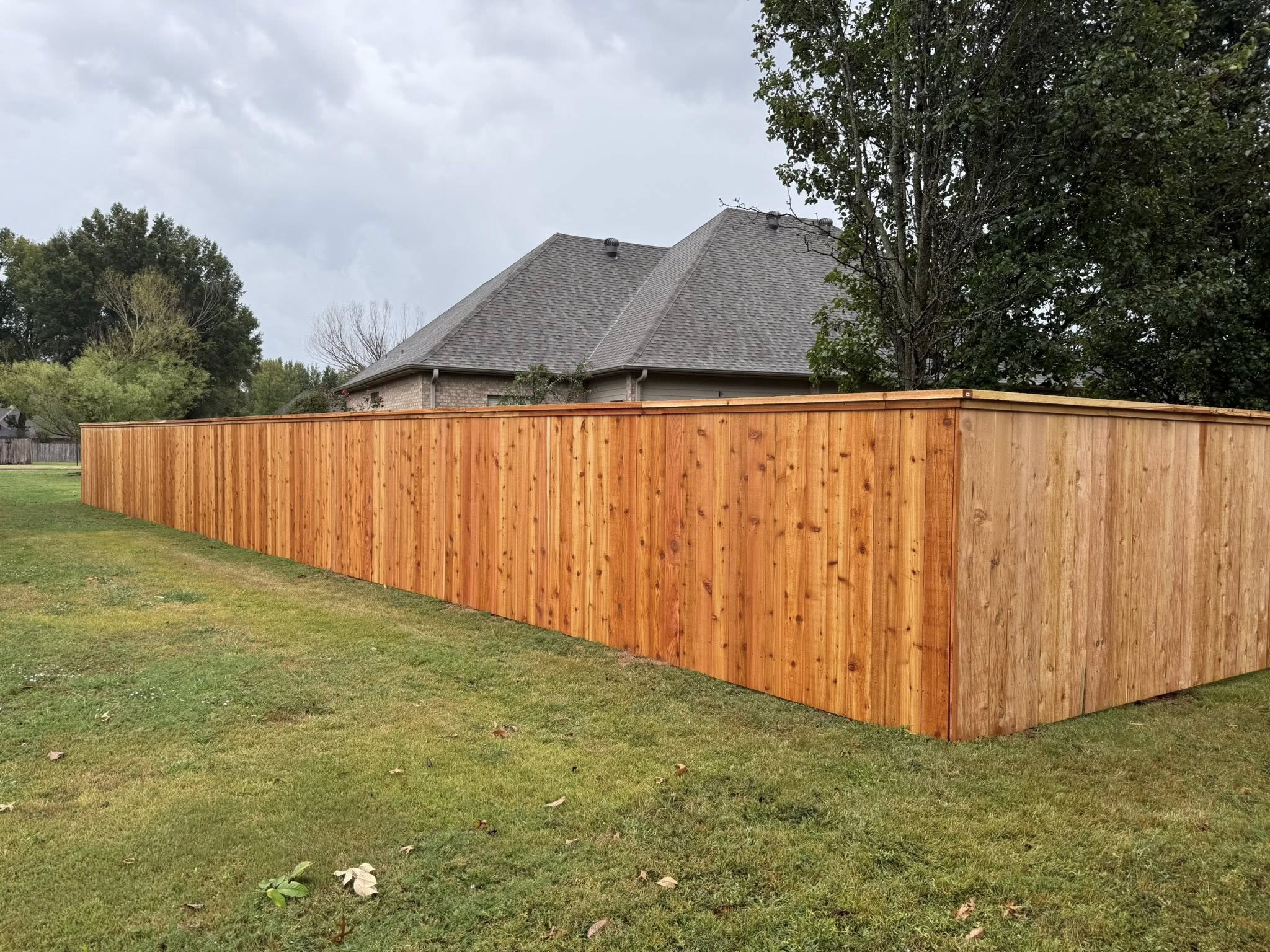
Wood fencing is a classic choice for many homeowners, known for its natural beauty and versatility. Wood can be styled in many ways, painted in different colors, and stained to achieve the desired aesthetic. However, wood fencing requires regular maintenance to protect it from rotting, warping, and pest infestations. Over time, it may also require staining or painting, which can increase the overall cost.
Vinyl fencing is another popular option due to its durability and low maintenance requirements. Unlike wood, vinyl does not rot, warp, or splinter, making it a long-lasting choice. It's easily cleaned with soap and water and doesn’t require painting or staining. On the downside, vinyl fencing can be more expensive upfront than wood, and its color options may be limited.
Metal fencing, particularly aluminum and steel, is known for its strength and longevity. Aluminum fencing is resistant to rust and corrosion, making it a suitable option for coastal areas with high humidity. Steel fencing, while more robust, may require extra treatment to prevent rust over time. Both types of metal fencing often come in a variety of styles, enhancing your property’s curb appeal. However, the installation and material costs can be higher compared to other fencing types.
Composite fencing combines wood fibers and plastic polymers, creating a fence that is both durable and visually appealing. The result is a fencing material that mimics the appearance of wood but requires minimal maintenance, similar to vinyl. Composite fencing is resistant to pests and environmental damage, making it long-lasting. Despite its advantages, composite fencing can be costlier than traditional wood and vinyl options, which may be a consideration for budget-conscious homeowners.
Chain-link fencing is a practical choice for those prioritizing function over form. It's an affordable and durable option, often used for boundary delineation and security. While not the most visually appealing, it can be enhanced with privacy slats or vegetation. Chain-link fences are easy to install and maintain but might not suit the aesthetic preferences of all property owners.
Each fencing material has its distinct set of advantages and limitations. When deciding, consider factors such as initial cost, long-term value, maintenance requirements, and the aesthetic appeal you want to achieve. B&J Fencing is dedicated to helping you weigh these considerations with our professional consultation services, ensuring you choose a solution that aligns with your property needs and personal preferences.
In conclusion, selecting the right fencing material requires careful consideration of various factors, from costs and maintenance to aesthetics and durability. By understanding the pros and cons of each option, you can confidently choose the best fence for your home. At B&J Fencing, we are here to guide you through the selection process, ensuring you make a choice that stands the test of time while enhancing your property's beauty and security.
/filters:no_upscale()/filters:format(webp)/media/06e89a33-5258-48f6-82d0-2618881e1b86.jpg)